What Foreigners Can Buy in Thailand in 2025 – Full Legal Ownership Breakdown
What foreigners can buy in Thailand is one of the most frequently searched questions among expats, retirees, and international property investors. Understanding exactly what you can and cannot own is essential before making any purchase decision.
Foreigners love buying property in Thailand — affordable prices, strong rental demand, and world-class lifestyle options. But Thailand also has clear legal rules that determine what foreigners can and cannot buy.
This 2025 ownership breakdown explains everything in simple English, helping you invest with confidence and avoid legal risks.
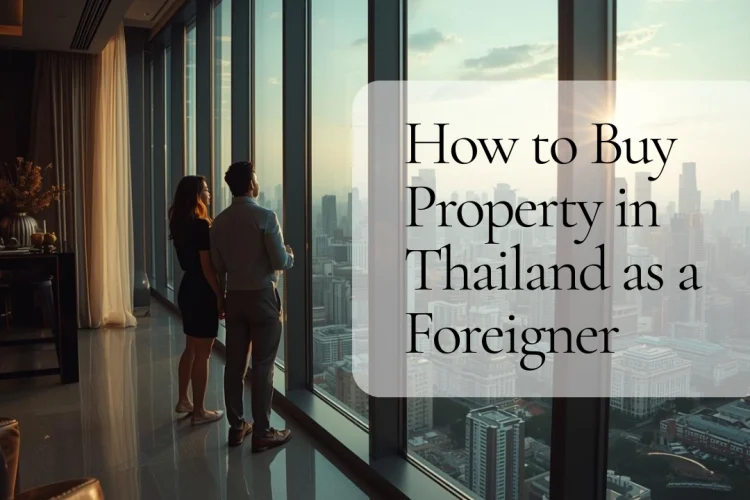
To understand the full buying process, see our main guide: How to Buy Property in Thailand as a Foreigner — The Ultimate 2025 Guide.
What Foreigners Can Own in Thailand
Foreigners are legally allowed to own:
1. Freehold condominium units (under foreign quota)
2. Buildings (but not land beneath them)
3. Leasehold rights (30‑year registered lease)
4. Commercial units in condo buildings
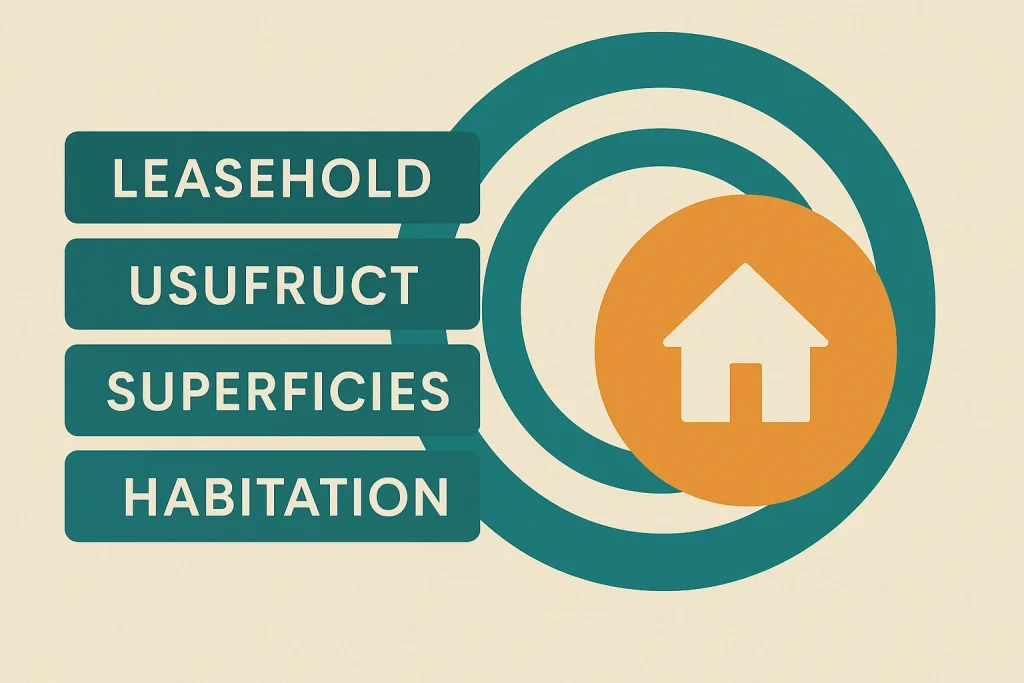
5. Superficies, usufruct, and habitation rights (limited cases)
These options make Thailand one of the more foreign‑friendly markets in Asia.
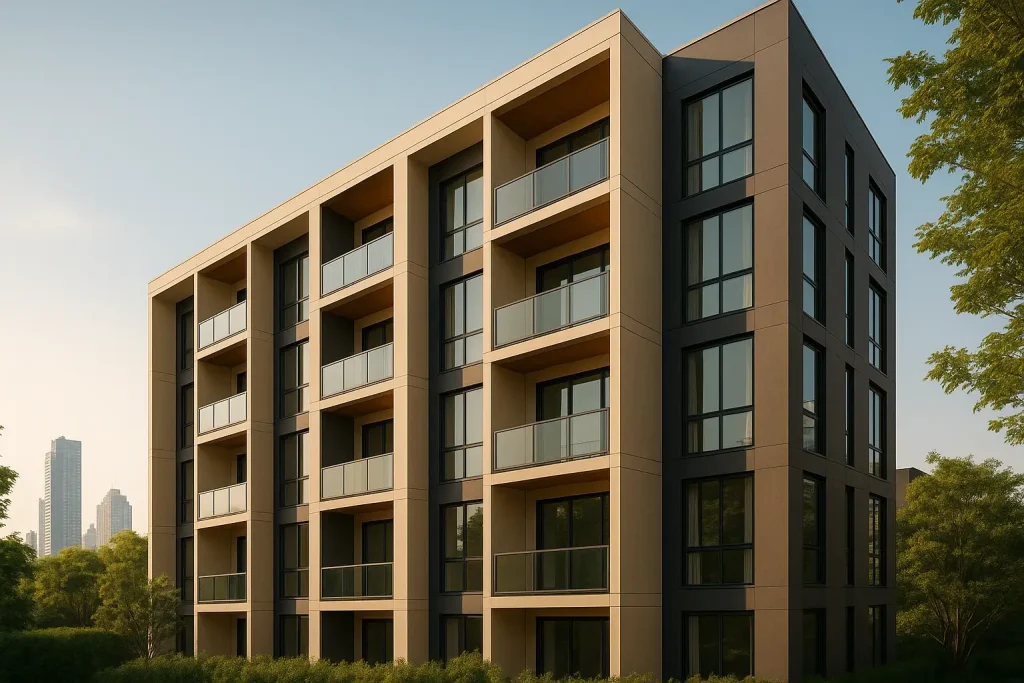
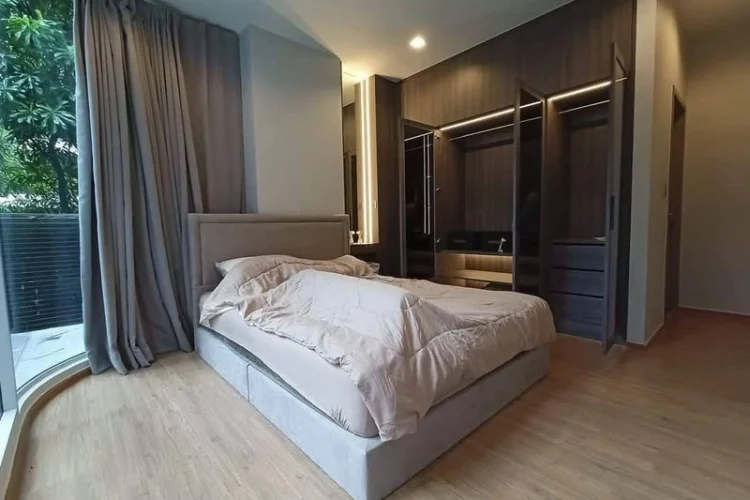
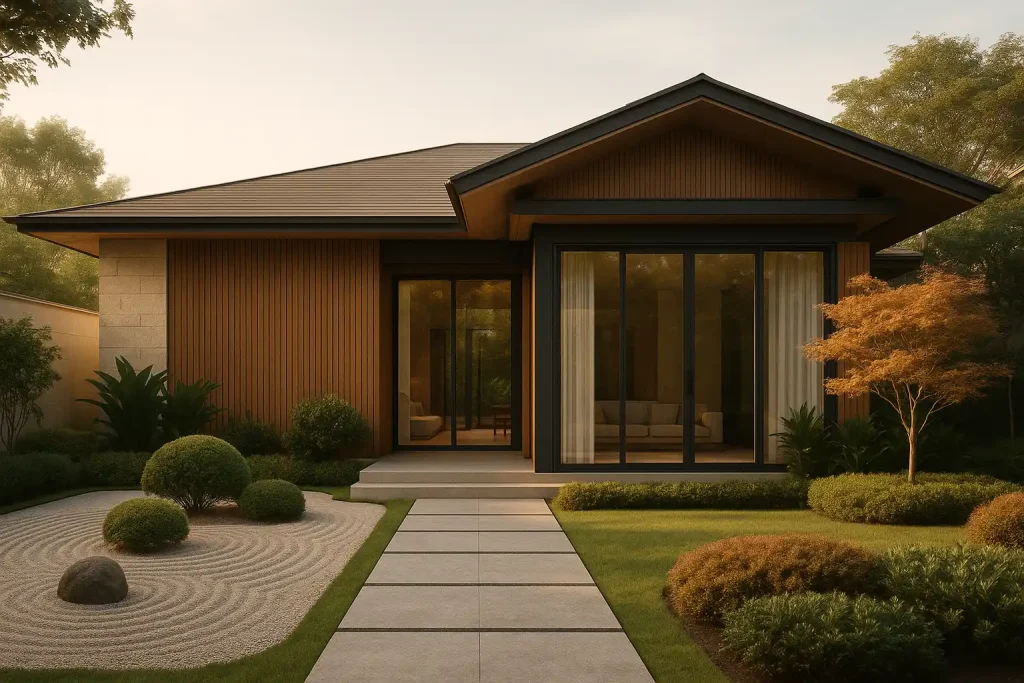
Freehold Condominium Ownership (Most Popular Option)
Foreigners can own a condominium unit outright as long as the building complies with the 1979 Condominium Act.
Key Rules:
- Foreigners may own up to 49% of the building’s sellable area.
- Funds must be transferred from overseas in foreign currency.
- A Foreign Exchange Transaction Form (FET Form) is required for amounts ≥ USD 50,000.
Benefits:
- Permanent ownership
- High transparency & safety
- Can rent out long‑term
- Easy resale via Chanote title deed
Condo ownership remains the safest and most straightforward way for foreigners to own property in Thailand.
Leasehold Ownership (30–90 Years)
Foreigners cannot own land, but they can legally lease land or villas.
How leasehold works:
- Initial lease term: 30 years (maximum allowed by law)
- Often marketed as 30 + 30 + 30 years (but renewals are not guaranteed)
- Lease must be registered at the Land Office
Benefits:
- Lower upfront cost
- Ability to control land long‑term
- Common for villas in Phuket, Koh Samui, and Hua Hin
Limitations:
- Not true ownership
- Renewal depends on landowner’s agreement
- Harder to resell than condos
What Foreigners Cannot Own Directly
Thai law prohibits foreigners from owning land, including:
❌ Residential land
❌ Commercial land
❌ Farmland / Agricultural land
❌ Bare land plots
This restriction is why foreigners typically choose condo freehold or leasehold structures.
Legal Land‑Control Options for Foreigners
Even though foreigners cannot directly own land, several legal structures allow long‑term control:
Option 1: Leasehold land (most common)
30‑year registered lease + optional renewals.
Option 2: Superficies (right to own the building)
Allows a foreigner to own a house built on land they do not own.
Option 3: Usufruct (lifetime usage right)
Gives lifetime use of land, but not ownership.
Option 4: Thai spouse ownership
Foreigners may buy land in a Thai spouse’s name, but must sign a declaration that funds are the spouse’s.
⚠ Warning: The foreign spouse has no legal ownership claim.
Option 5: BOI‑approved investment
Only large investors or companies qualify.
These are legitimate under Thai law — unlike nominee companies.
Why Company Ownership Is NOT Recommended (2025 Update)
Some agents still suggest using a Thai company to buy land. But the government is now strictly investigating nominee companies.
⚠ Risks:
- Criminal penalties
- Forced sale of property
- Company audit by authorities
- Shareholder disputes
✔ Acceptable ONLY IF:
- The company has real business activity
- Thai shareholders are genuine, not nominees
For most foreigners, this method is not safe nor recommended.
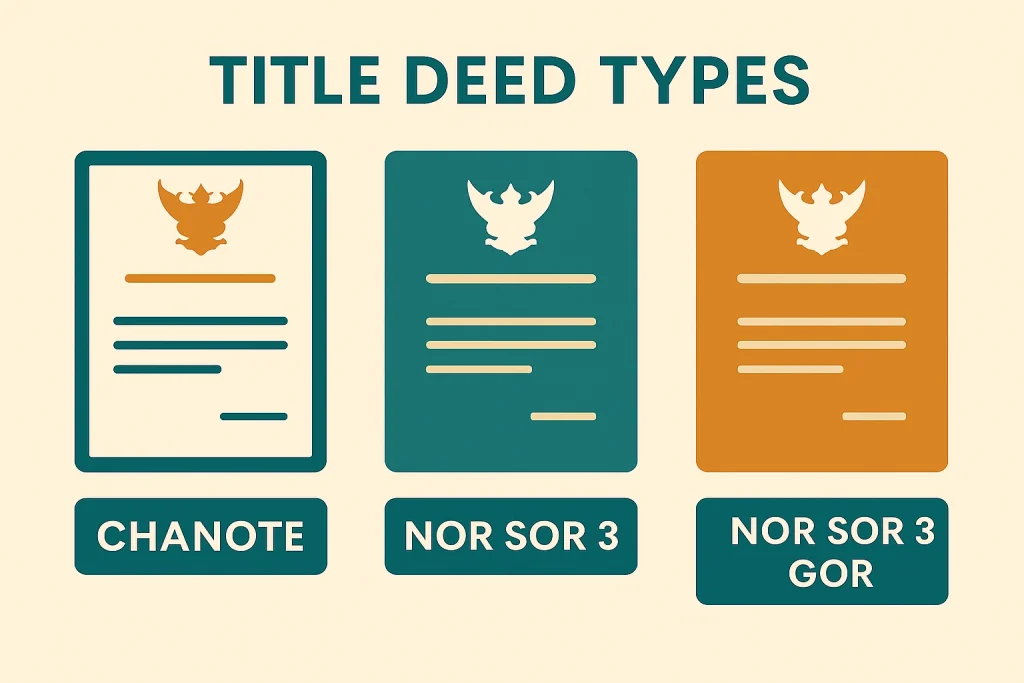
Title Deed Types in Thailand (Quality Matters!)
Understanding title deeds is essential before buying.
Chanote (Nor Sor 4 Jor) — Best quality
- GPS‑surveyed boundaries
- Highly secure
Nor Sor 3 Gor — Acceptable
- Can be upgraded to Chanote
Nor Sor 3 — Least preferred
- Less precise boundaries
- Avoid for investment unless verified legally
Required Documents for Foreign Buyers
To buy a condo as a foreigner, you typically need:
- Passport
- FET Form (for transfers above USD 50,000)
- Sales & Purchase Agreement (SPA)
- Proof of overseas remittance
- Address verification / embassy documents
These documents ensure your ownership can be legally registered.
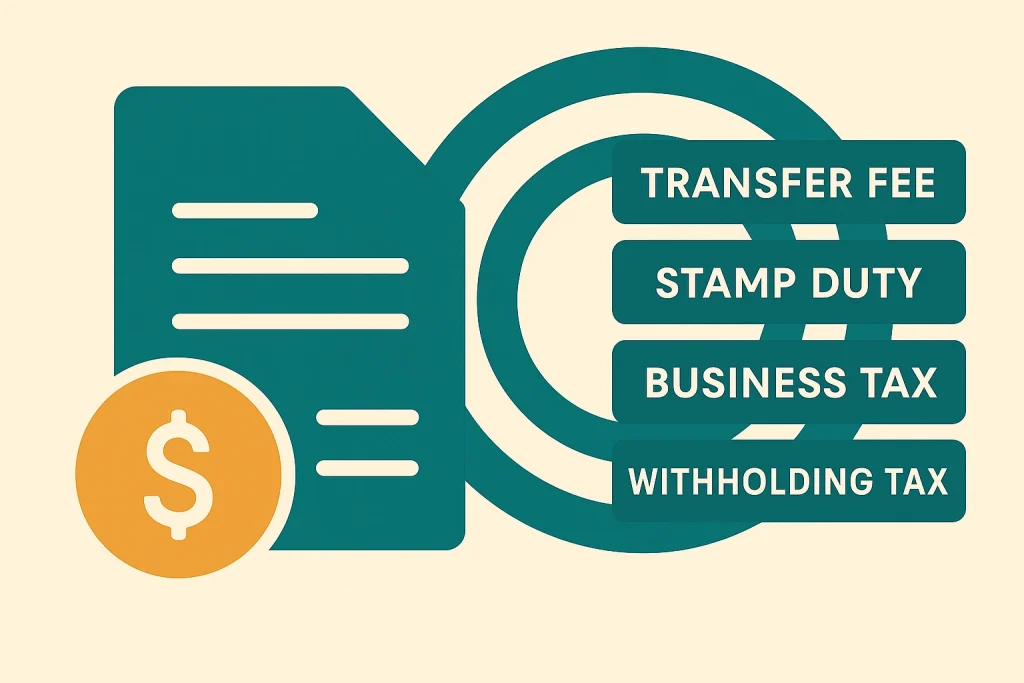
Taxes & Fees Foreigners Should Know
Transfer‑related fees:
| Fee | Rate | Notes |
|---|---|---|
| Transfer Fee | 2% | Often split 50/50 |
| Stamp Duty | 0.5% | Applied if no business tax |
| Specific Business Tax | 3.3% | If sold within 5 years |
| Withholding Tax | Based on valuation | Paid by seller |
These fees apply equally to Thais and foreigners.
Common Mistakes Foreign Buyers Make
Avoid these to protect yourself:
❌ Buying in a building with foreign quota already full
❌ Not verifying title deed or project developer
❌ Using unregistered lease contracts
❌ Buying land using nominee companies
❌ Not conducting proper due diligence
A property lawyer is strongly recommended.
More Helpful Guides for Foreign Buyers :
How to Buy Property in Thailand as a Foreigner — The Ultimate 2025 Guide
Official Sources & Regulatory References :
Conclusion
Foreigners cannot own land directly in Thailand, but there are safe and legal paths to property ownership — especially condos, leaseholds, and building rights.
With proper due diligence and an understanding of 2025 regulations, Thailand remains one of Asia’s most attractive and secure real‑estate markets for foreign buyers.